Okay. Deep breath.
I’m literally drinking room-temperature LaCroix right now because I forgot I opened it three hours ago. That’s where we’re at.
The Stuff I Wish Someone Told Me Sooner About Optimizing Blog Content
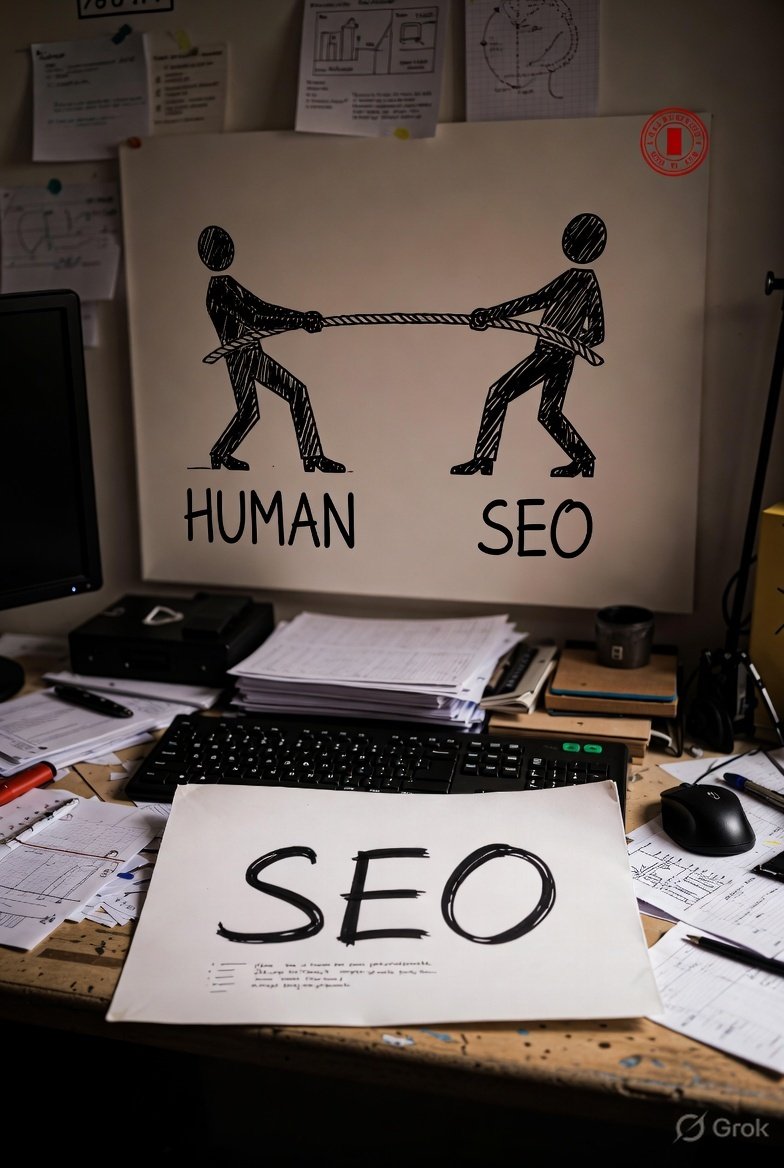
I used to think SEO was mostly about cramming the primary keyword optimize blog content into every damn corner. H1, H2, alt text, first paragraph, last paragraph, image captions, meta, slug, even the freaking URL parameters if I could. Ranked okay for a minute. Then Helpful Content updates started eating those posts alive.
Real talk: the moment I stopped treating keywords like Pokémon I needed to collect, things got better. Not perfect. But better.
Now when I sit down to optimize blog content I ask myself stupidly simple questions first:
- Would I read this if I wasn’t getting paid?
- Does this feel like a real person typed it or like a content mill spat it out?
If the answer to either is no, I scrap half the draft and start over.
My Biggest Screw-Ups (So You Don’t Repeat Them)
- Wrote a 3,200-word “ultimate guide” to something nobody searches for at that length. Ranked page 1 for like three weeks then vanished. Bounce rate was 92%. People clicked, saw the wall of text, and noped out.
- Keyword-stuffed so hard my own mom texted me “are you okay? your new post sounds possessed.”
- Ignored mobile readability. Wrote beautiful long paragraphs on my 27-inch monitor. Looked like trash on iPhone.

What Actually Seems to Work in 2026 (From My Own Dumb Trial and Error)
Start sloppy and human. I open Google Docs or Notion or even my phone Notes app and just barf words out. No outline. No worrying about keyword density yet. I write like I’m explaining it to my cousin who barely understands what a blog is.
Then—and only then—I go back and weave in optimize blog content and the secondary phrases naturally. Usually they’re already there because I talk about the topic a lot.
I also:
- Break shit up constantly. Short paragraphs. One thought, hit enter.
- Use subheadings that sound like me talking out loud (“Okay but seriously, stop doing this”)
- Throw in personal crap nobody asked for: the LaCroix, the heater clicking, the fact that my dog just farted so bad I had to open a window
- Link to real sources. Like right now I’m thinking about linking to Google’s own writing advice for creators because it’s short, blunt, and I actually agree with most of it.
How I Fix Posts That Feel Too AI-ish
If something still smells robotic even after I rough it up:
- Read it out loud. If I sound like a corporate webinar, rewrite.
- Cut every third adjective.
- Add sentence fragments. Like this one.
- Admit confusion. “I still don’t totally get E-E-A-T signals but whatever, here’s what’s worked for me.”
That’s it. No magic plugin. No secret tool (well… maybe Surfer or Frase sometimes, but mostly no).
Final Ramble Before I Publish This and Pray
Optimizing blog content for both SEO and readers isn’t about perfection. It’s about not hating yourself when you reread it later.
Write the messy version first. Make it sound like you. Then lightly season with keywords so Google doesn’t ignore you completely. Publish. Watch the stats. Cry a little. Fix it next time.
If you’ve ever had a post that ranked great but nobody read more than 200 words, tell me in the comments. Misery loves company.
I’m gonna go heat up some leftover pizza rolls now. Catch you later.