
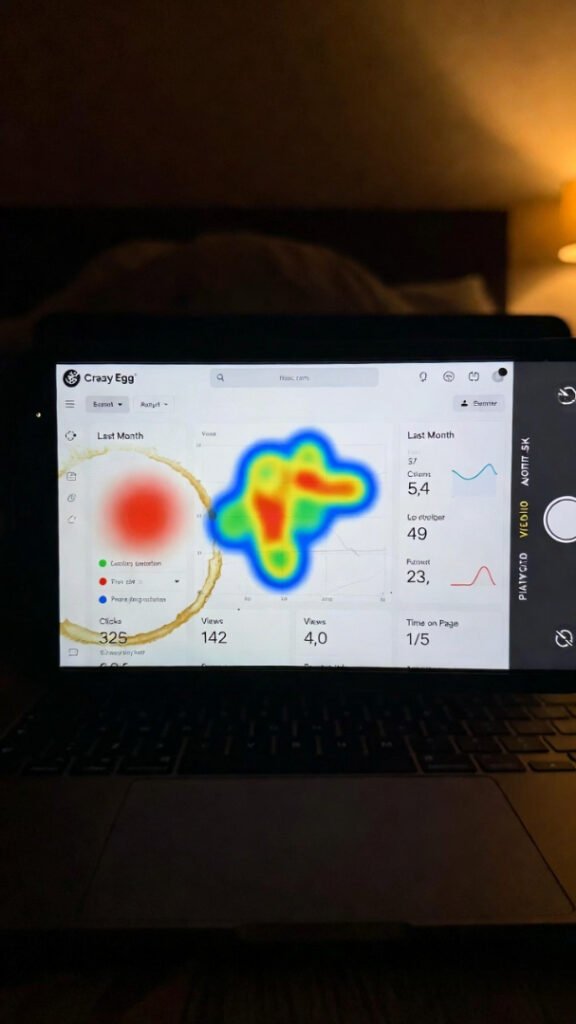
Okay so heat maps to improve UX & CRO? Yeah I’m obsessed lately. Like embarrassingly obsessed. I’m sitting here in my messy home office outside Raleigh, North Carolina, it’s March and still stupidly chilly so the space heater is buzzing like an angry bee, and I’m staring at yet another heatmap report wondering why I didn’t start using these things years ago. Seriously, heat maps basically scream at you where people are actually looking, clicking, scrolling (or rage-scrolling past your garbage), and where they bail. It’s brutal but kinda freeing once you stop being defensive.
I used to think my sites converted okay because “the analytics say traffic is good” and “people are staying 2 minutes so they must like it.” Nope. Turns out they were staying because they were confused and hunting for the damn button like it was a hidden object game.
What Heat Maps Actually Show Me (and Why I Was Blind Without Them)
I started with free trials of a couple tools—mostly Hotjar and Microsoft Clarity because I’m cheap and Clarity is literally free forever. First project was my side hustle e-commerce store selling weird custom enamel pins (don’t judge, it pays for half my coffee habit).
The click heatmap? Oof. My “Add to Cart” button was getting maybe 4% attention while people were furiously clicking on the product photo like it was supposed to do something magical. I had the button buried below the fold on mobile. Mobile scroll map showed like 38% of people never even reached it. I felt dumb. Like publicly dumb.
So I moved the button up, made it bigger, slapped a contrasting color no one could miss. Next heatmap after the change? Click density jumped. Conversions up 27% that month. Not life-changing money but enough to buy better coffee and feel slightly less like a fraud.
My Go-To Types of Heatmaps for UX & CRO Fixes
Here’s what I actually use regularly (not just once and forget):
- Click heatmaps — shows exactly where people tap/click (including dead clicks that go nowhere—those hurt my soul)
- Scroll heatmaps — tells me how far down people bother reading before they nope out
- Move/attention heatmaps — tracks mouse movement which usually correlates pretty well with where eyes go (not perfect but close enough for me)
- Confetti reports (Hotjar has this) — breaks clicks down by referral source or device. Super useful when Facebook ads traffic behaves differently than Google.
Pro tip from someone who learned the hard way: segment by device. Desktop users scroll way deeper than mobile. My mobile heatmaps looked like crime scenes—red only at the top, then cold blue nothing.
The Time I Got Cocky and Ignored a Heatmap (Don’t Do This)
Last fall I redesigned a service page for freelance clients. Heatmap showed 60% of scrollers stopped right before my pricing section. I thought “eh they’re just price sensitive.” So I did nothing. Kept getting ghosted after consultations. Finally bit the bullet, moved pricing higher, added a mini explainer video right there. Scroll depth improved, booked calls went up 41%. I literally said “fuck” out loud alone in my kitchen when I saw the new report. Good fuck, obviously.
Moral: heat maps to improve UX & CRO aren’t suggestions. They’re evidence. Ignore at your own risk.
For more legit breakdowns I keep going back to these:
- Hotjar’s own guide on interpreting heatmaps
- Crazy Egg’s heatmap best practices
- And honestly just play with Microsoft Clarity—it’s free and surprisingly good.
Quick Checklist I Run Every Time Before I Launch or Redesign
- Run baseline heatmaps for at least 1-2 weeks (minimum 500-1000 sessions or I don’t trust it)
- Look for big red clusters that aren’t on CTAs
- Check mobile vs desktop differences (they’re always huge)
- Fix dead clicks first—they’re low-hanging fruit
- Move important stuff higher if scroll drop-off is brutal
- Re-test after changes and compare side-by-side (feels good man)
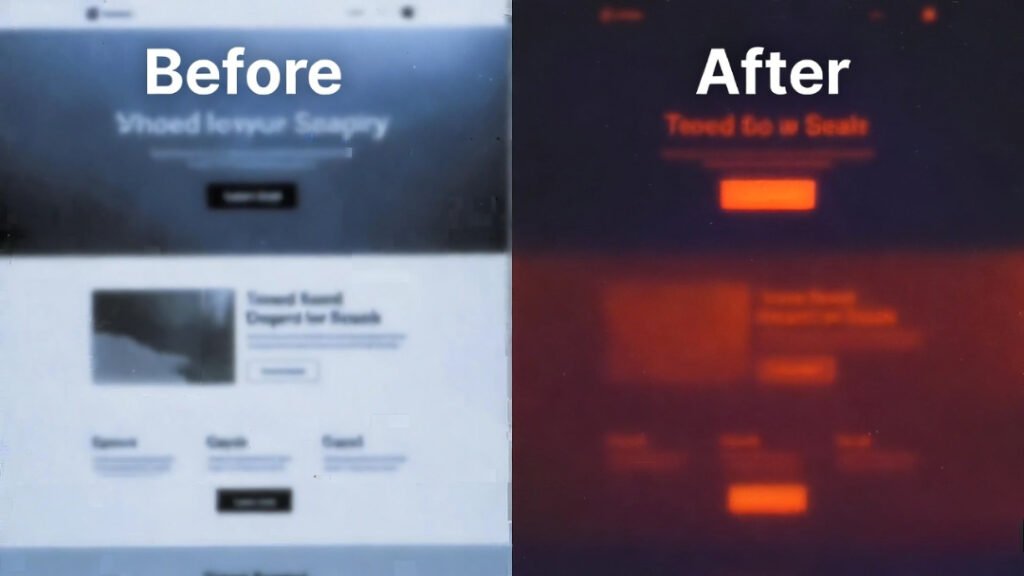
Anyway I’m still not perfect at this. Last week’s heatmap showed people hovering forever over my nav bar like they were paralyzed by too many options. So yeah… simplifying that next. Heat maps keep humbling me and that’s honestly the best part.
If you’re sitting on a site that’s kinda working but not crushing it, just install one of these tools today. Stare at the ugly truth. Fix it. Watch the numbers move. Then come back and tell me how dumb you felt too.

