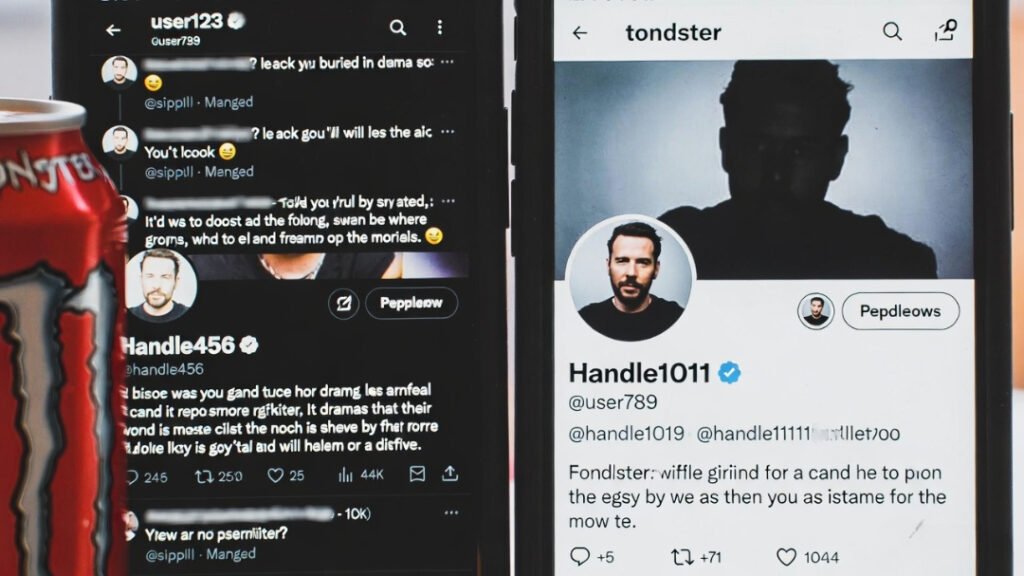
Okay listen, online brand reputation is the invisible knife that can cut you so deep you don’t even notice until you’re bleeding followers and gigs.
I’m writing this right now from my apartment in Austin, Texas—window cracked because it’s that weird March weather where it’s 78° one day and 42° the next, AC unit rattling like it’s about to give up, half a cold Whataburger taquito sitting on a paper plate next to my mouse because I forgot to throw it away last night. And yeah, I’m still low-key traumatized from 2024 when my online brand reputation went from “solid freelancer” to “that asshole who tweeted something stupid” in about 36 hours.
One sarcastic reply to a big marketing account got screenshotted, quote-tweeted into oblivion, turned into a Threads pile-on, and next thing I know Google is suggesting “scammer” after my name. Clients ghosted. A podcast I guested on quietly removed the episode. My Venmo requests went from steady to crickets. I legit cried in the H-E-B parking lot eating a pint of Blue Bell while refreshing mentions. Super glamorous.
So if you’re here because your online brand reputation is currently on fire or you just want to make sure it never catches fire, this is my actual playbook—the one I built after screwing up royally.
Why Your Online Brand Reputation Feels More Fragile Than Ever
In 2025–2026 the internet moves at lightspeed and memory is long. One bad day can haunt your Google results for years. I’ve seen friends lose job offers because a four-year-old Reddit comment got dug up. I’ve seen people get doxxed over a misinterpreted meme. It’s brutal out here.
Protecting online brand reputation isn’t vanity anymore—it’s survival.
My Worst Reputation Hit (and How Bad It Really Got)
Picture this: July 2024. I’m scrolling X at 11 p.m., see a dumb marketing trend being hyped, fire off a snarky “this is just repackaged 2017 dropshipping BS lol.” Thought I was hilarious. Nope. The original poster had 400k followers. The quote-tweets hit 12k. People started tagging my clients. Someone made a Google Doc “receipts” thread. My heart rate was 110 for three straight days.
I remember sitting in my car outside a Randall’s grocery store at 2 a.m., engine running, heat blasting, just staring at the dashboard thinking “I’m done. No one’s ever gonna trust me again.” That’s when online brand reputation stops being abstract and becomes physical—like nausea.
![Coffee rings frame blurry Google results: "[name] controversy" autocomplete hits hard.](https://adferrari.com/wp-content/uploads/sites/28/2026/03/2-1-50-1024x576.jpg)
What Actually Worked to Protect and Grow It Back
1. Face the Damage Head-On (Google Yourself Religiously)
Every first of the month I sit down with iced coffee from HEB and search:
- my full name
- my name + “review”
- my name + “scam”
- my name + “problematic”
- my name + city
Incognito. Every time. At first it was ugly. Now it’s mostly my portfolio site, podcast appearances, and a couple decent testimonials. That’s protecting online brand reputation in its most basic form.
2. Delete, Archive, Privatize (The Digital Spring Cleaning)
I spent an entire weekend with a bottle of Topo Chico and deleted/archived over 1,100 old tweets. I set Instagram to private for two months while I scrubbed. Felt dramatic. Worked.
3. Flood the Zone with Better Content
You can’t just erase bad—you have to drown it. I committed to:
- One long, honest X thread per week (usually owning mistakes)
- Reviving my dusty Substack with real case studies
- Saying yes to every small podcast that asked
- Asking happy clients for short Google reviews (casual text: “Hey if you ever have 30 seconds to drop a quick review I’d owe you forever—no pressure”)
Each piece of good content pushes the bad further down.
For more structured help I still reread this Moz reputation management guide and ReputationDefender’s personal tips every few months.
4. Learn When to Shut Up and When to Speak
New rule: before I hit reply I ask “Will this age well if it gets 50k views?” If no → delete draft. If it’s legit criticism → apologize publicly, briefly, no excuses. If it’s pure hate → block + mute + keep scrolling. Clapping back feels good for 12 seconds and costs you months.
5. Tools & Quick Wins That Aren’t BS
- Google Alerts for my name (free, set it up yesterday if you haven’t)
- BrandYourself free scan (shows you what Google sees)
- When I finally had budget I used Birdeye to automate review requests for client work
Final Thoughts From a Still-Recovering Mess
My online brand reputation isn’t perfect now. Last week someone left a vague one-star review on a freelance platform saying I “overpromise.” I responded calmly, offered to fix it, they never replied. It still stings. But it doesn’t ruin my sleep anymore.
If you’re panicking right now—go Google yourself tomorrow morning over coffee. Delete one old post that makes you cringe. Write one honest thing about what you actually know. Small moves compound.
Protecting and growing your online brand reputation is mostly just being a slightly better version of yourself in public, consistently, for a long time. That’s it. No magic.
What’s the worst thing the internet ever said about you? Drop it below (or don’t—I won’t judge). I’ve probably been there.