
Okay, let’s get into it.
I use AdTech data to lower customer AdTech data for CAC reduction acquisition costs pretty much obsessively these days, sitting here in my apartment in [redacted Midwestern city], staring at screens until my eyes feel like sandpaper while the neighbor’s dog barks nonstop. Seriously, if you’re running ads—whether it’s Meta, Google, TikTok, whatever—and you’re bleeding money on new customers like I was for way too long, this is the stuff that’s actually moved the needle for me. Not some shiny agency whitepaper. My own dumb trial-and-error.
What Even Counts as AdTech Data Anyway?
Look, when I say AdTech data, I’m not talking about some fancy enterprise CDP that costs more than my rent. I’m talking about the free-to-cheap stuff most of us have access to right now in 2026:
- Pixel / conversion API events from your site or app
- Audience insights in Meta Ads Manager (age, interests, lookalikes that actually convert vs the ones that just look cool)
- Google Analytics 4 + Google Ads linkage showing AdTech data for CAC reduction which channels are inflating your CAC
- Platform-level frequency capping data so you’re not showing the same ad to someone 47 times
- Cost-per-result breakdowns by creative, placement, device, time of day
I started paying attention to this crap after I blew through like $4,200 in one month on Facebook ads for a side project that was supposed to “just test the waters.” Spoiler: the waters were lava and my CAC shot up to $87 per customer. For a $29 product. Yeah.
How I Actually Started Using AdTech Data to Lower Customer Acquisition Costs
First thing I did was stop trusting my gut and start trusting the numbers. Sounds basic but man I resisted it hard.
- Pulled 90-day lookback data from Meta and Google
- Sorted campaigns by ROAS and CAC (customer acquisition cost = total ad spend ÷ number of new customers)
- Killed anything with CAC over 3x LTV (lifetime value). No mercy.
- Duplicated the winners but tweaked audiences using the actual converters—not the broad “lookalike 1%” everyone screams about
One weird win: I found that people who clicked my ads between 10 PM and 2 AM Eastern had 38% lower CAC than daytime clicks. Turns out night owls in the US convert better for my niche (productivity tools, go figure). So I shifted budget there and literally watched the cost per acquisition drop $14 in two weeks.
My Biggest Screw-Up That Actually Taught Me Something
Last summer I got cocky. Thought I could scale a winning creative without checking frequency. CAC crept up slowly at first—$22 to $29 to $41—and I ignored it because revenue was still coming in. Classic.
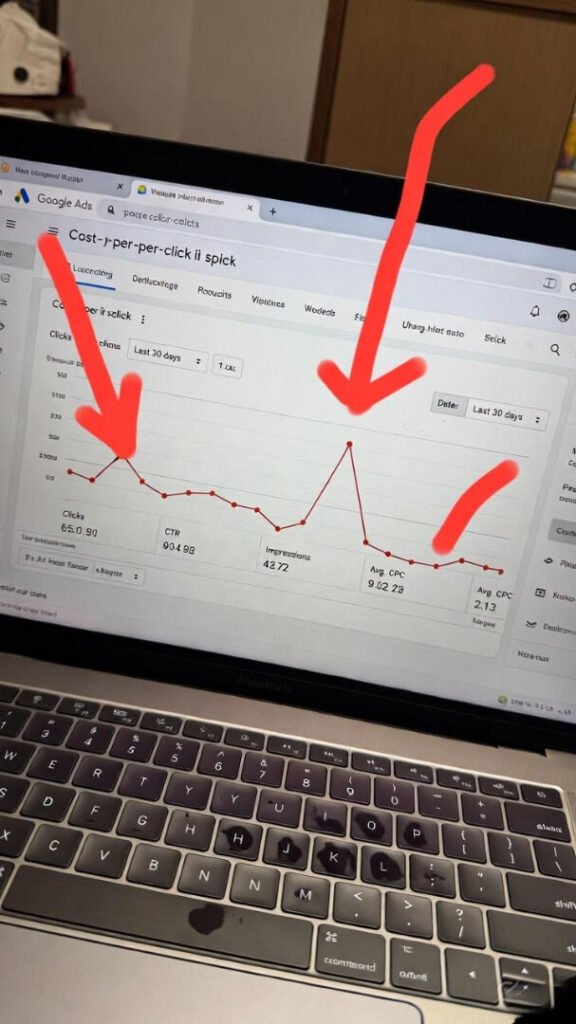
Then I dug into the AdTech data deeper: frequency was 9.2 on my best audience. People were straight-up annoyed. I paused the campaign, built a new exclusion audience of people who’d seen the ad 5+ times, and restarted with fresh creative. CAC dropped back to $19 almost immediately.
Moral? Use AdTech data to lower customer acquisition costs before your bank account screams at you.
Tools & Quick Hacks I Actually Use Daily
- Google Sheets + Supermetrics (or just export CSVs if you’re cheap like me) to mash Meta + Google data together
- Triple Whale or Northbeam if you have Shopify and a little budget—those dashboards make CAC trends stupid obvious
- Looker Studio free dashboards for visualizing cost trends over time
- Custom audiences built from “purchase + add to cart” events to retarget warm people instead of chasing cold traffic
I literally have a tab open right now with a pivot table showing CAC by state. Turns out California and New York love me but Texas hates my ads. Who knew.
Wrapping This Ramble Up
Using AdTech data to lower customer acquisition costs isn’t glamorous. It’s mostly staring at spreadsheets, killing darlings, and occasionally yelling at your screen when the numbers don’t make sense. But it’s the difference between scraping by and actually building something sustainable.
If you’re reading this and your CAC is creeping up, go pull your last 30 days of platform data tonight. Look at frequency, time-of-day, device, creative fatigue. Kill what sucks, double down on what works.

Hit me in the comments if you’ve got a similar horror story—or better yet, a hack that’s saved you serious cash lately. I could use the help too.
Anyway, coffee’s cold again. Back to the dashboards. Talk soon.