
Alright, let’s actually get into it.
I’m sitting here in my little home office outside Raleigh, North Carolina, it’s 72 degrees outside which is honestly perfect but my ancient window AC unit is still wheezing like it’s dying, and I’ve got three—count ’em—empty LaCroix cans staring at me accusingly. Anyway. Content optimization workflow. That’s the hill I’m dying on today because seriously, if your team is anything like mine was six months ago, you’re probably publishing stuff that’s good-ish but could be way better if anyone had time to actually optimize it.
I used to think content optimization workflow was some fancy enterprise thing only big agencies did. Wrong. Dead wrong. When you’re a small-to-mid team juggling client work, social, email, and oh yeah actual human life, you need something dead simple or it dies in a drawer somewhere.
Why Most Content Optimization Workflows Are Trash (My Experience)
Look, I tried everything. Trello boards that turned into graveyards. Airtable bases so complicated I needed a PhD to update them. Fancy Notion templates I copied from YouTube gurus and then immediately abandoned because who has time to color-code 47 properties?
The breaking point was last spring. We had this killer blog series planned—super timely, great research—but it took us three weeks to publish one post because “optimization” meant five different people touching it at five different times with zero clear order. I’d wake up to Slack messages like “hey did we do the meta title yet?” and I’d just scream internally because no, we didn’t, because we never do anything in order.
So I finally snapped and built my own stupidly simple content optimization workflow that actually sticks for busy teams. It’s not pretty. It’s not scalable to 50 people. But for 3–8 person crews? Gold.
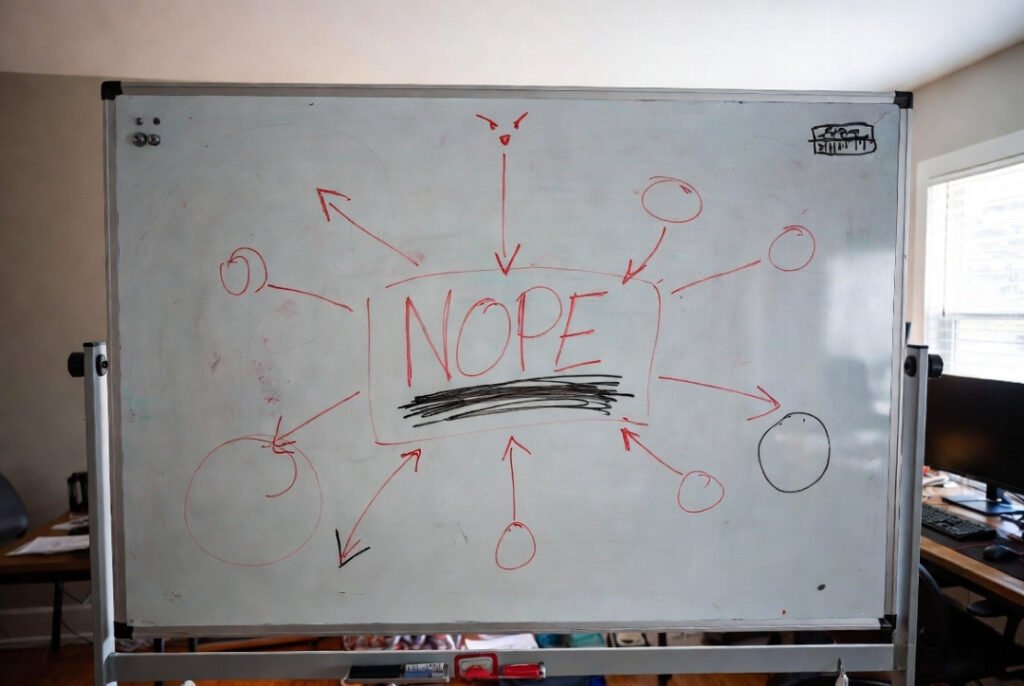
My Current Content Optimization Workflow (The One That Hasn’t Died Yet)
Here’s the exact flow we’re using right now. I’m not saying it’s perfect—I still miss steps sometimes—but it’s cut our time-to-publish almost in half and our organic traffic is actually moving up instead of flatlining.
- Brain dump & keyword grab (me, usually hungover on Sunday) I sit down with coffee (black, no nonsense) and Ahrefs + Google Keyword Planner. Pick 1 primary keyword + 2–3 secondaries. No overthinking. If it feels hard, pick something else. → Document title + focus keyphrase decided in under 15 minutes.
- Ugly first draft (Google Docs, zero judgment) Writer bangs it out. No formatting, no images, just words. Goal: get the meat on the page. We allow typos, run-ons, meandering tangents—literally anything.
- Quick structure pass (me or whoever isn’t on fire that day) Add H2s, H3s, bullet lists. Drop in the primary keyword in the first sentence and sprinkle secondaries naturally-ish. This is where I usually realize I hate half of what I wrote.
- SEO & readability tune-up (Grammarly + Yoast + human eyes) Fix readability score, internal links, outbound links (I always try to link at least 2–3 solid sources), meta title & description. We use Surfer or Frase sometimes if we’re feeling bougie.
- Visuals & personal flavor (this is where it gets fun/embarrassing) Add images—stock or screenshots from my actual life. I’m talking my messy desk, my dog photobombing, my terrible handwriting on a notepad. Keeps it human.
- Final gut-check publish (no more than two approvers) One person proofreads for tone, one for facts/grammar. Then ship it. No endless revision loops.
Tools That Actually Stay in My Rotation
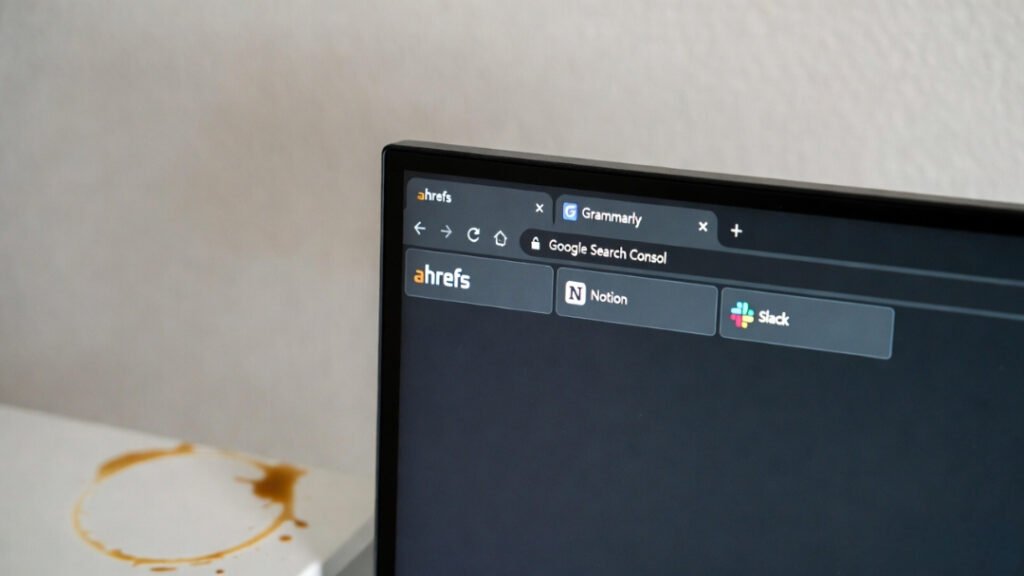
- Notion — our single source of truth database. One page per piece of content with properties for status, owner, primary keyword, publish date.
- Ahrefs — keyword research and tracking. Worth every penny.
- Grammarly — catches the dumb stuff I miss when I’m tired.
- Google Docs → WordPress — draft here, final copy-paste there.
- Slack bot — we have a janky little workflow that pings the right person when status changes. Nothing fancy.
I swear half the magic is just forcing everyone to stop over-perfecting.
The Part Where I Admit I Still Screw It Up
Last month we published a post about email marketing trends and I forgot to add the outbound link to HubSpot’s stats page until after it went live. Classic. Traffic still came in but I felt like an idiot. Also, sometimes the writer goes 800 words over because they got excited and then I have to murder their darlings. Sorry team.
But overall? This messy content optimization workflow is working. Our posts rank faster, engagement is up, and I’m not crying in the group chat at 11 p.m. anymore.
If your team is stuck in content hell, try something stupidly simple like this. Steal what works, ditch what doesn’t. You don’t need a 47-step SOP.
What’s your current content optimization workflow look like? Drop it in the comments—I’m nosy and also maybe stealing your good ideas.