
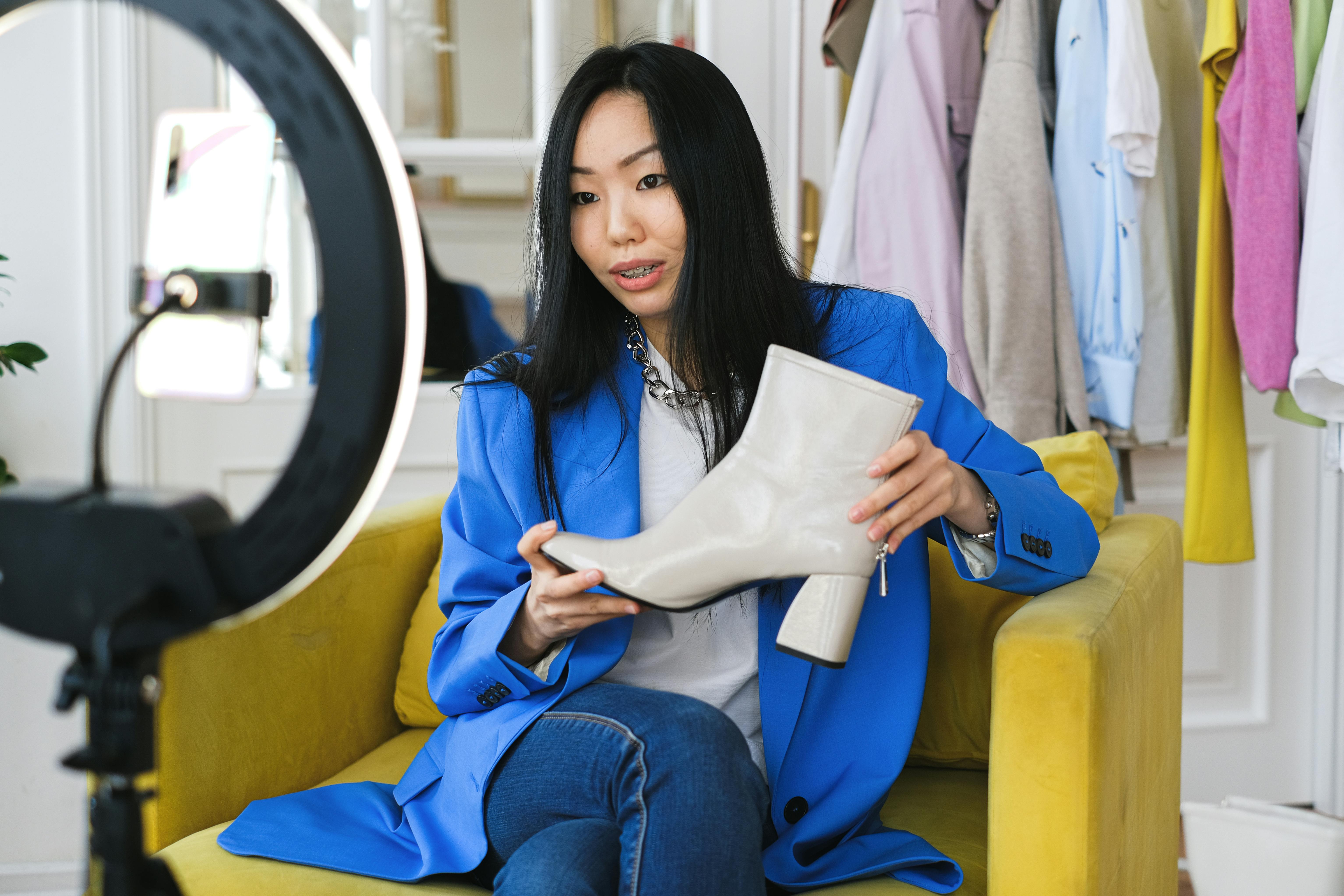
In 2026, influencer marketing is no longer a 'nice-to-have' but a critical, data-driven revenue engine. Discover how AI, performance-based models, and advanced platforms are revolutionizing ROI, maximizing CPM, and driving purchasing intent. Compare top solutions to optimize your budget and dominate the creator economy.
Introduction to the Topic
Welcome to 2026, where the landscape of digital marketing has been irrevocably reshaped by the accelerated evolution of the creator economy. Influencer marketing, once a nascent tactic often dismissed as 'vanity metrics,' has matured into a sophisticated, indispensable pillar of brand strategy, directly impacting bottom-line revenue. The days of simply paying a celebrity for a post are long gone. Today, brands demand measurable return on investment (ROI), authentic engagement, and deep integration with their broader marketing ecosystems. This transformation is driven by powerful advancements in artificial intelligence (AI), hyper-personalization, and a relentless focus on performance-based outcomes.
For adferrari.com readers – forward-thinking marketers, brand managers, and business owners – understanding this shift isn't just about staying current; it's about securing a competitive edge. The 2026 influencer marketing arena is characterized by unparalleled transparency, advanced analytics, and strategic partnerships that move beyond one-off campaigns to cultivate genuine brand advocacy. As CPMs and RPMs become increasingly tied to direct conversions and long-term customer value, choosing the right strategy and tools is paramount. This guide will navigate the complexities, highlight the most impactful trends, and help you identify the best solutions to unlock billion-dollar potential for your brand.
Backgrounds & Facts
The journey of influencer marketing from its early days to 2026 is a testament to its dynamic adaptability. Initially characterized by celebrity endorsements and large-scale reach, the industry rapidly pivoted towards authenticity and micro-influencers as consumers grew wary of inauthentic promotions. The mid-2020s saw an explosion of creator-led content across diverse platforms, from established giants like TikTok and Instagram to emerging decentralized social networks and immersive metaverse experiences. This decentralized creator ecosystem gave rise to a demand for more sophisticated tools and strategies.
Key facts shaping the 2026 landscape:
- AI-Driven Precision: AI is no longer a buzzword but an operational necessity. From identifying the perfect nano-influencer based on psychographic data and audience overlap to predicting campaign performance and detecting fraud, AI algorithms are optimizing every facet of influencer marketing. This ensures maximum relevance and minimizes wasted ad spend, directly boosting CPM and RPM.
- Performance-Based Imperative: The industry has largely moved away from flat fees. Performance-based models, including affiliate commissions, cost-per-acquisition (CPA), and revenue share agreements, are now standard. This aligns influencer incentives directly with brand objectives, driving higher purchasing intent and conversion rates.
- Authenticity and Niche Dominance: The power has shifted further towards niche communities and highly engaged audiences. Brands are investing in long-term relationships with creators who genuinely embody their values, fostering deep trust and driving more qualified leads.
- Regulatory Scrutiny: Transparency remains critical. Global regulatory bodies (e.g., FTC, ASA) continue to enforce strict disclosure guidelines for sponsored content, pushing brands and creators towards clear, ethical practices. Compliance is not optional; it's foundational for brand reputation and sustained campaign success.
- Data Integration & Attribution: Advanced attribution models now seamlessly integrate influencer campaign data with CRM systems, e-commerce platforms, and broader marketing analytics. This provides a holistic view of the customer journey, allowing marketers to precisely measure influencer impact on sales, brand lift, and customer lifetime value (CLTV).
These developments underscore a critical truth: modern influencer marketing is a science, not just an art. It demands strategic planning, robust technological support, and a commitment to measurable outcomes.
Expert Opinion / Analysis
"In 2026, influencer marketing is less about 'influencing' and more about 'converting' and 'retaining,'" states Dr. Anya Sharma, CEO of 'Synergy AI Solutions,' a leading AI-driven marketing consultancy. "The brands winning today are those that view creators not as ad placements, but as strategic partners in a sophisticated, data-driven sales funnel. Our research shows that campaigns leveraging AI for audience psychographics and creator-brand fit achieve a 40% higher conversion rate and 2.5x greater ROI compared to traditional methods."
Sharma emphasizes the strategic shift: "It's no longer just a marketing department's responsibility; it's a cross-functional imperative. Product development teams are collaborating with creators for feedback, sales teams are leveraging creator content in their pitches, and customer service is using creator-generated FAQs. This holistic integration drives unparalleled brand resonance and directly impacts purchasing intent throughout the customer journey."
Another key insight from industry veterans like Mark Jensen, Head of Digital Innovation at a Fortune 500 CPG brand, is the importance of long-term brand ambassador programs. "One-off campaigns are still useful for tactical pushes, but the real gold is in cultivating a loyal network of creators who genuinely love and advocate for your product over time. This builds compounding trust and significantly reduces customer acquisition costs in the long run. Our most successful programs in 2025-2026 are those where creators are treated as an extension of our own team, often participating in product launches and even R&D."
The consensus among experts points to a future where successful influencer marketing hinges on three pillars: **AI-powered precision**, **performance-driven partnerships**, and **authentic, long-term relationships**. Brands that fail to adapt to these fundamentals risk significant underperformance and falling behind competitors who are already reaping the rewards of this evolved approach.
💰 Best Options in Comparison (VERY IMPORTANT)
Navigating the diverse landscape of influencer marketing solutions in 2026 requires a clear understanding of your brand's specific needs, budget, and desired level of control. Below, we compare the leading categories of solutions, each offering distinct advantages for maximizing your CPM, RPM, and ultimately, your ROI. This section is designed to help you make an informed purchasing decision that aligns with your strategic objectives.
- Full-Service AI-Powered Influencer Agencies: Ideal for large enterprises and global brands seeking comprehensive, hands-off campaign management. These agencies leverage proprietary AI platforms for creator discovery, vetting, contract negotiation, content optimization, and advanced performance tracking. They offer strategic guidance, fraud detection, and often guarantee specific performance metrics.
- Advanced Influencer Marketing SaaS Platforms: Best for in-house marketing teams with dedicated resources who want greater control, scalability, and data access. These platforms provide robust AI tools for self-serve creator discovery, campaign management, communication, payment processing, and detailed analytics. They empower brands to build and manage their own creator networks efficiently.
- Performance-Based Creator Networks & Marketplaces: Geared towards direct-response marketers and e-commerce brands focused purely on conversions. These networks connect brands with creators willing to work on an affiliate or CPA model, often through automated systems. They prioritize measurable sales and offer a lower-risk entry point for performance-driven campaigns.
- Hybrid Brand Ambassador & Affiliate Programs: A long-term strategy for brands looking to cultivate deep loyalty and sustained sales. This approach combines elements of traditional brand ambassador programs (relationship building, exclusive content) with affiliate marketing (commission-based incentives). It's excellent for building a passionate community around your brand over time.
Here's a detailed comparison to help you choose the optimal solution:
| Solution Type | Target User/Business Size | Key Benefit | Cost Model | AI Integration | Best For |
|---|---|---|---|---|---|
| Full-Service AI Agencies | Large Enterprises, Global Brands | End-to-end management, strategic insights, guaranteed outcomes | Retainer + Performance Fee | Advanced audience matching, fraud detection, predictive analytics, content optimization | Complex, large-scale campaigns; brands seeking maximum ROI with minimal internal effort. |
| Advanced SaaS Platforms | Mid-Market to Large Brands (in-house teams) | Scalability, control, comprehensive data, direct creator relationships | Monthly/Annual Subscription | Smart discovery, campaign automation, sentiment analysis, detailed performance dashboards | Brands building and managing ongoing creator programs; data-driven in-house teams. |
| Performance Creator Networks | E-commerce, DTC Brands, Startups | Direct sales focus, low upfront risk, clear CPA/affiliate ROI | Commission-based (CPA, Revenue Share) | Automated matching, sales attribution, fraud filtering for conversions | Brands prioritizing immediate, measurable sales; ideal for direct-response marketing. |
| Hybrid Ambassador/Affiliate | All Sizes (with long-term vision) | Deep brand loyalty, sustained advocacy, community building, recurring revenue | Tiered Commissions, Product Gifts, Exclusive Access | CRM integration, loyalty tracking, personalized content suggestions | Brands focused on long-term growth, customer retention, and cultivating a loyal community. |
Outlook & Trends
The future of influencer marketing in 2026 and beyond promises even greater sophistication and integration. Here's what's on the horizon:
- Hyper-Personalized Micro-Campaigns: AI will enable brands to run thousands of simultaneous, highly localized, and hyper-personalized campaigns with nano-influencers, targeting specific audience segments with unprecedented precision.
- Metaverse & Web3 Influencers: The rise of immersive digital worlds will introduce new forms of influence, including virtual avatars, AI-generated influencers, and creators within decentralized platforms. Brands will need to adapt their strategies for these emerging digital spaces.
- Live Commerce & Shoppable Content Dominance: Live streaming commerce, already massive in Asia, will become ubiquitous globally. Influencers will host interactive shopping experiences, driving immediate purchasing decisions directly within their content feeds. Shoppable video and AR-enhanced product trials will be standard.
- Deep CRM & First-Party Data Integration: Influencer data will seamlessly merge with first-party customer data, allowing for highly targeted retargeting, personalized content delivery, and more accurate CLTV calculations. This will further blur the lines between traditional advertising and influencer marketing.
- Ethical AI & Sustainability: As AI becomes more prevalent, ethical considerations around data privacy, algorithmic bias, and transparency will gain prominence. Brands will increasingly partner with influencers and platforms committed to sustainable, ethical practices.
- Creator Ownership & Equity Models: Creators will demand more ownership and equity in the brands they promote, moving beyond simple payment to become true stakeholders. This will foster deeper commitment and more authentic advocacy.
These trends underscore a trajectory towards an influencer marketing ecosystem that is more intelligent, more integrated, and more accountable than ever before. Brands that embrace these shifts will be best positioned for sustained growth and market leadership.
Conclusion
In 2026, influencer marketing is no longer an experimental tactic but a core strategic imperative for any brand aiming to achieve significant ROI and connect authentically with consumers. The convergence of advanced AI, performance-based models, and a focus on genuine community building has transformed the landscape, demanding a sophisticated approach to maximize CPM and RPM.
To succeed, you must move beyond superficial metrics and embrace data-driven decision-making, selecting partners and platforms that offer transparency, measurable outcomes, and strategic alignment. Whether you opt for a full-service agency, a powerful SaaS platform, a performance-driven network, or a long-term ambassador program, the key is to invest wisely and strategically. The brands that understand and adapt to this new era of influencer marketing will not only capture market share but also build lasting relationships that translate into sustained revenue and unparalleled brand advocacy. Don't get left behind – choose your 2026 influencer strategy wisely and unlock your brand's billion-dollar potential today.